
Septic Lime Stabilization Log Automation: Killing the $15,000 EPA Land Application Fine

Automation Edge Intel
Trade Automation Experts
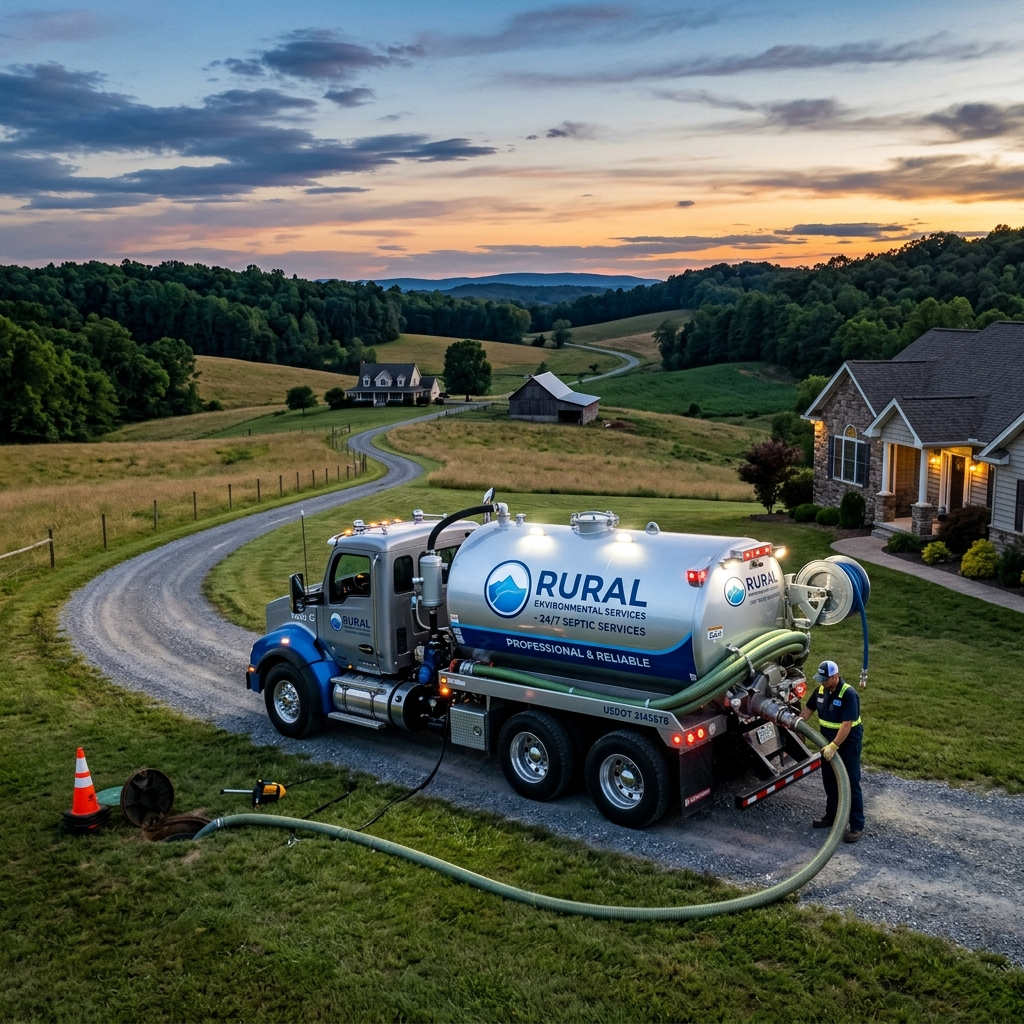
Land application of domestic septage is the ultimate net margin cheat code for liquid waste haulers. By spreading treated septage on agricultural fields, you bypass the brutal gate fees of municipal wastewater plants. You save thousands of dollars per truck, every single week.

Automate Your Operations with Make.
Connect your apps, design custom visual workflows, and save 10+ hours a week.
But this massive margin advantage comes with an EPA target on your back. Federal Part 503 rules demand a strict pathogen and vector attraction reduction process: you must raise the septage to a pH of 12 or higher for at least 30 minutes using hydrated lime before a single drop hits the dirt. Every single load requires a signed, legally compliant log tracking the lime dosage, hold time, and dual pH readings. If your drivers fail to log a single load, a state or federal EPA audit will hit your business with a devastating $15,000 permit violation penalty. Even worse, you could lose your land application permit entirely, forcing your fleet back to the municipal dump-fee grind.
The problem is the Truck Trap. Operators trust field technicians to manage these logs in paper binders. Drivers hate paperwork. They write illegible scribbles, forget to wait the full 30 minutes, or lose the logs under the truck seat. When the auditor knocks on your door, those blank spaces in your binder represent a catastrophic liability. Just as we eliminated compliance risks in our sewer bypass pump telemetry guide and solved municipal logging in our fugitive dust daily log guide, we must automate the lime stabilization log to protect your business.
The Profit Leak: The Manual pH Holding Time Lie
When a driver is at the land-spreading site at 4:30 PM, they want to dump and go home. Measuring pH, adding 50 pounds of lime per 1,000 gallons, and waiting exactly 30 minutes feels like an obstacle. To bypass this, drivers "pencil whip" the paperwork. They write down a fake 30-minute hold time and guess the pH. This manual data entry creates a dual risk. First, a sudden EPA inspection catches an un-stabilized truck spreading septage—instant fine. Second, the lack of real-time timestamps means your office cannot prove compliance during an annual audit.
Stop risking your entire company on the honor system. By automating the data capture process, you can enforce the 30-minute hold time, validate the pH levels before disposal, and auto-generate certified PDF manifests without a single sheet of paper touching a clipboard.
The Field-Tested Fix: Automated pH Validation & Compliance Engine
The strategy is simple: put the compliance guardrails inside the driver’s phone. We use a mobile form linked to your field management system, GoHighLevel, to capture the initial septic volume and pH. The driver cannot proceed with the dump until a 30-minute countdown expires and they input the secondary pH verification. Once both data points are verified, Make acts as the operational glue to compile the data, cross-reference the EPA required certification statement, and build a secure digital vault of compliance manifests.
If you are auditing your field software stack to support this automation, review our Operator’s Guide for elite software recommendations.
pH Log Webhook (Trigger): Captures the initial log submission from the field technician's mobile form, containing the load volume, initial pH, lime volume, and start timestamp.
Stabilization Filter (Gate): Calculates the exact time difference between the initial pH capture and the secondary post-stabilization measurement. It verifies that the pH remained at 12 or above for at least 30 minutes. If the parameters do not meet EPA rules, the scenario alerts the dispatcher.
EPA PDF Builder (Action): Automatically merges the verified field telemetry, timestamps, driver details, and the mandatory federal EPA certification language into a tamper-proof PDF manifest.
Cloud Archive (Action): Files the PDF manifest in a secure, chronologically organized cloud folder for instant retrieval during state or federal EPA audits.
GoHighLevel SMS Alert (Action): Sends a text message directly to the driver with their compliance receipt and logs the finalized manifest within GoHighLevel for full job transparency.
Implementation Path
Two Ways to Deploy This
You do not need to understand webhooks or API modules to fix this leak. Pick the path that matches how you operate.
Path 1 — Build It Yourself
Sign up for Make, follow the blueprint above, and connect your field software. No code required — just drag, drop, and connect the modules shown in the diagram.
Start with Make.com →Path 2 — Hire a Pro (Recommended for Non-Technical Operators)
Don't want to touch the tech? Hire a vetted Make.com automation specialist to build this exact workflow for you. Hand them this article as the build spec — they will know exactly what to wire up.
Hire a Make.com Expert on Fiverr →Running a larger operation with multi-system integrations? Browse Make.com specialists on Upwork for bigger builds.
Verified Automation Stack




Built for 8-Figure Scale
Used by elite operators with GoHighLevel, Make, and ServiceTitan to automate dispatch, voice triage, and invoice routing.
Intelligence Audit: The GoHighLevel + ServiceTitan Edge
For contractors looking to move from a lifestyle business to a scalable empire, GoHighLevel handles CRM, SMS, and booking pipelines while ServiceTitan powers enterprise dispatch at scale. Together they optimize your profit margins.
- Smart Dispatch: Uses historical technician conversion rates to put your best sellers on the highest-value leads.
- Marketing Pro: Automatically tracks every dollar of ad spend to a closed invoice, giving you real-time ROI.
- Pricebook Pro: Standardizes your pricing across the fleet to ensure you never underquote a job again.
ANALYTICS SNAPSHOT:
- Average Revenue Growth: +25%
- Office Admin Efficiency: +40%
- First-Time Fix Rate: +12%
Septic Fleet Fuel Savings ROI
At the current US average of $4.14/gal, a 10-truck septic fleet (pump trucks) spends approximately $103,525/year on fuel. AI-driven route density reduces that by 15%, saving your operation $15,529+ per year—every year, automatically.
Related Intelligence
Read NextEmergency Pack-Out Inventory Automation: Killing the $9,500 Missing Item Claim Leak
Lateral Launch CCTV Video Log Automation: Killing the $12,500 Retainage Release Lockout
Police Rotation SLA Log Automation: Killing the $14,000 Suspension Leak
Stay ahead of the curve.
Join 15,000+ independent contractors getting the daily edge on automation.